CA Heat Pump Finder
Profile view of a bearded man wearing a dark green baseball cap and a dark gray T-shirt against a plain light background.

Do you need backup heat with a heat pump in California

Step 1 of 3: Equipment

Most homes in California don't need backup heat with a heat pump. Winters here are mild enough that a properly sized heat pump can keep up on its own through the coldest nights, even in January. Backup heat exists mainly for places where the outdoor temperature drops low enough that a heat pump loses capacity and can't pull enough warmth from the air. That's not the typical situation here. The bigger question for you isn't whether you need backup heat, it's whether your current system is sized and installed correctly to handle the nights that do get cold, especially if you're replacing a gas furnace and keeping the ductwork as is. A heat pump installed to match your home and climate zone should carry the load without a backup element. One installed as an afterthought might struggle on the handful of cold mornings a year, and that's worth getting checked before you commit.

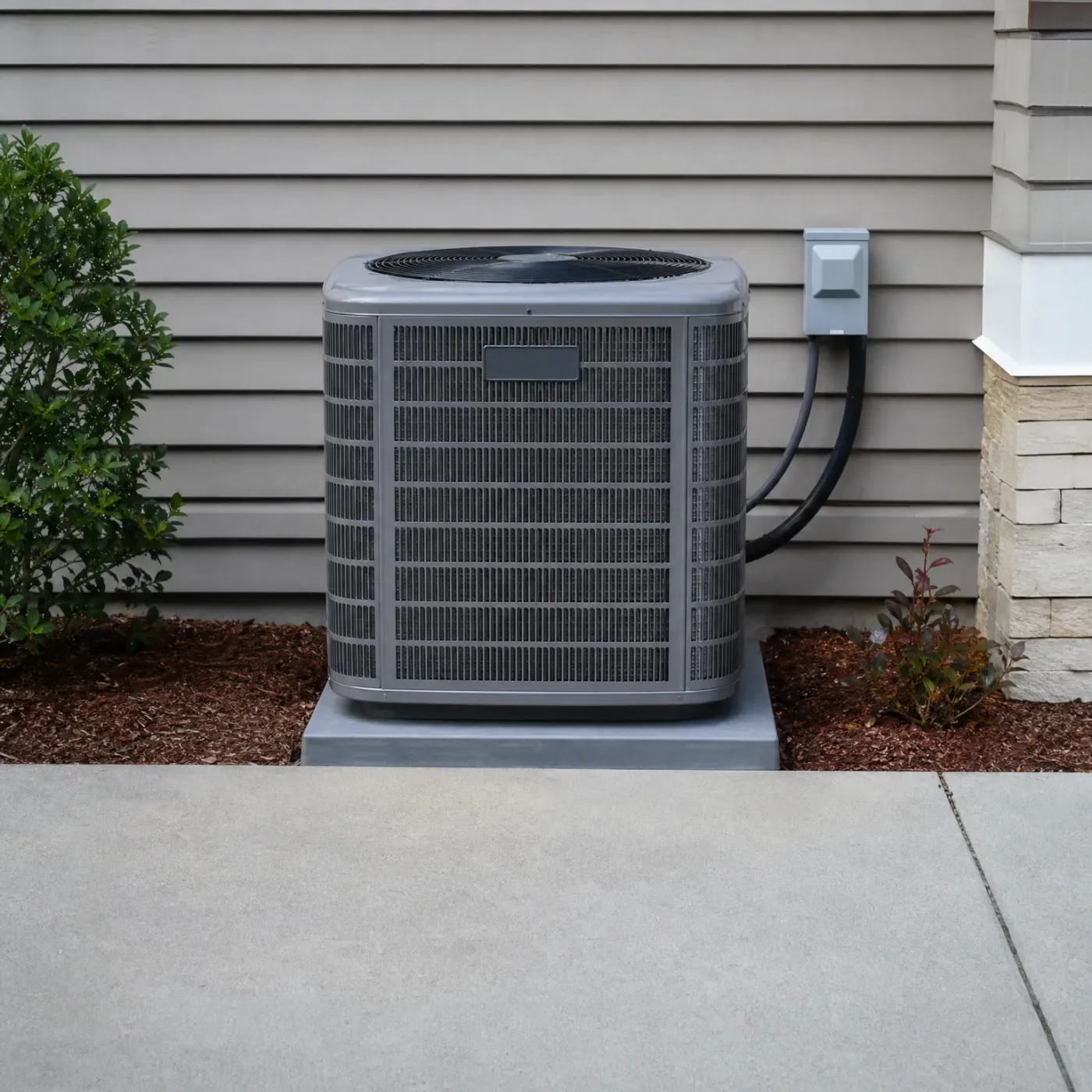
A gray outdoor condenser unit sits on a concrete pad beside a house with horizontal lap siding, with a wall-mounted disconnect box and refrigerant lines, mulched beds and a shrub nearby, and a concrete walkway in the foreground.
Sized right for your house, the heat pump handles January mornings on its own, no second system standing by.
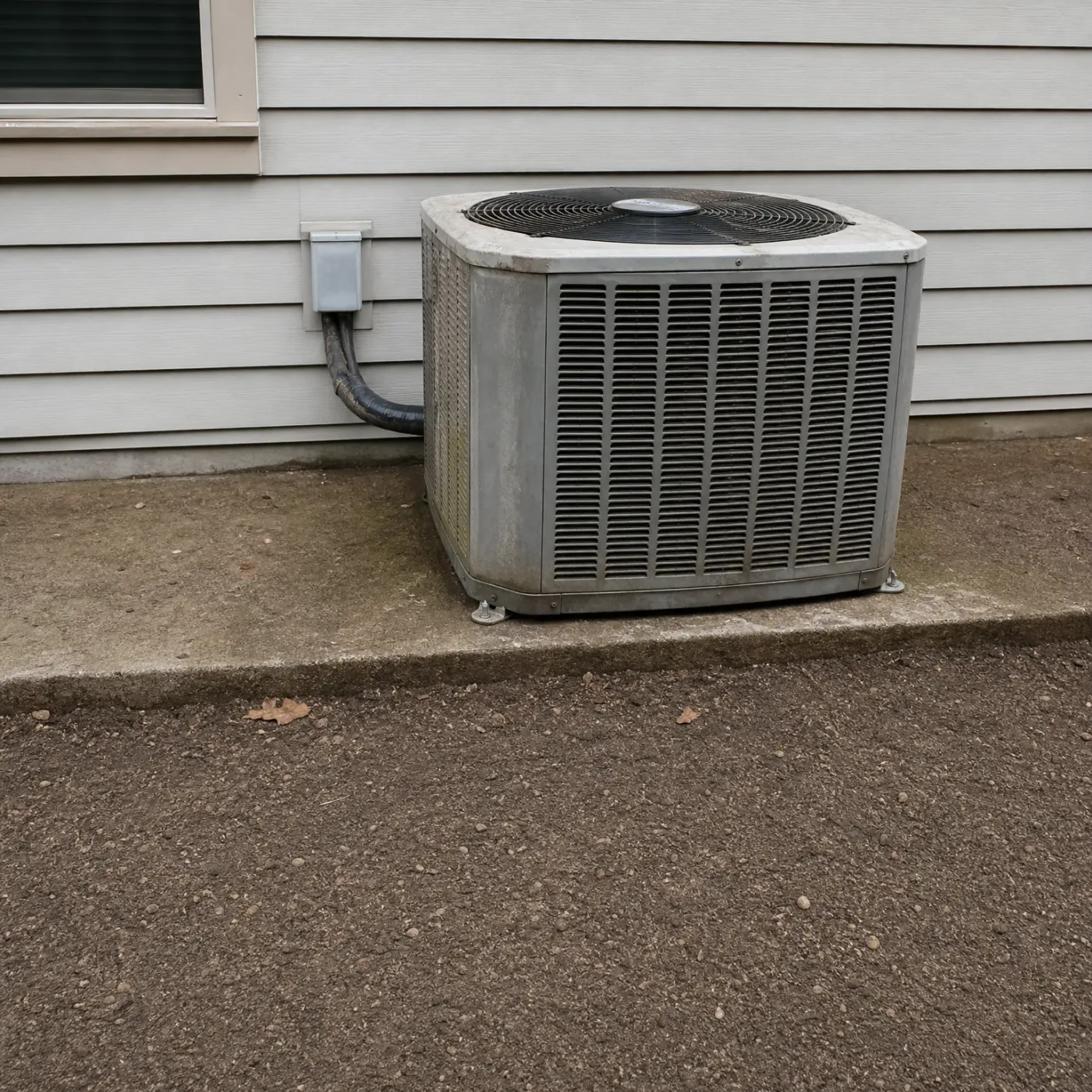
An outdoor air conditioner condenser unit on a concrete pad beside a light gray vinyl-sided house, with an electrical disconnect box and conduit on the wall and bare soil in the foreground.
Undersized or aging, it falls behind on the coldest nights and leans on backup heat to keep the house warm.

A heat pump works by pulling heat out of outdoor air and moving it inside, which still works when that air is cold, just not as easily. The colder it gets outside, the harder the compressor has to work to pull the same heat indoors. Past a certain point, it can't keep up with how fast the house loses heat, and that's the gap backup heat is built to cover. In most systems that backup is electric resistance strips, wired to come on automatically rather than run all the time. The same backup also steps in for a few minutes during defrost, when the system briefly reverses itself to melt frost off the outdoor coil and can't heat the house during that cycle. None of this is the thermostat guessing. It compares the indoor temperature to your setpoint, and only calls on backup when the heat pump by itself can't close that gap quickly enough. For most California homes, that call rarely comes.

How a heat pump covers cold

  • A heat pump moves heat from outside air into your house, even when that air feels cold.
  • As the outdoor temperature drops, the unit has to work harder to pull the same amount of heat indoors.
  • Below a certain outdoor temperature, the compressor can't extract heat fast enough to match what the house is losing.
  • Backup heat, usually electric resistance strips, kicks in automatically to cover that gap rather than replacing the heat pump.
  • A defrost cycle periodically reverses the system briefly to clear frost off the outdoor coil, and backup heat can cover the house during that short gap.
  • The thermostat tracks indoor temperature against the setpoint and calls for backup heat only when the heat pump alone can't close the difference fast enough.
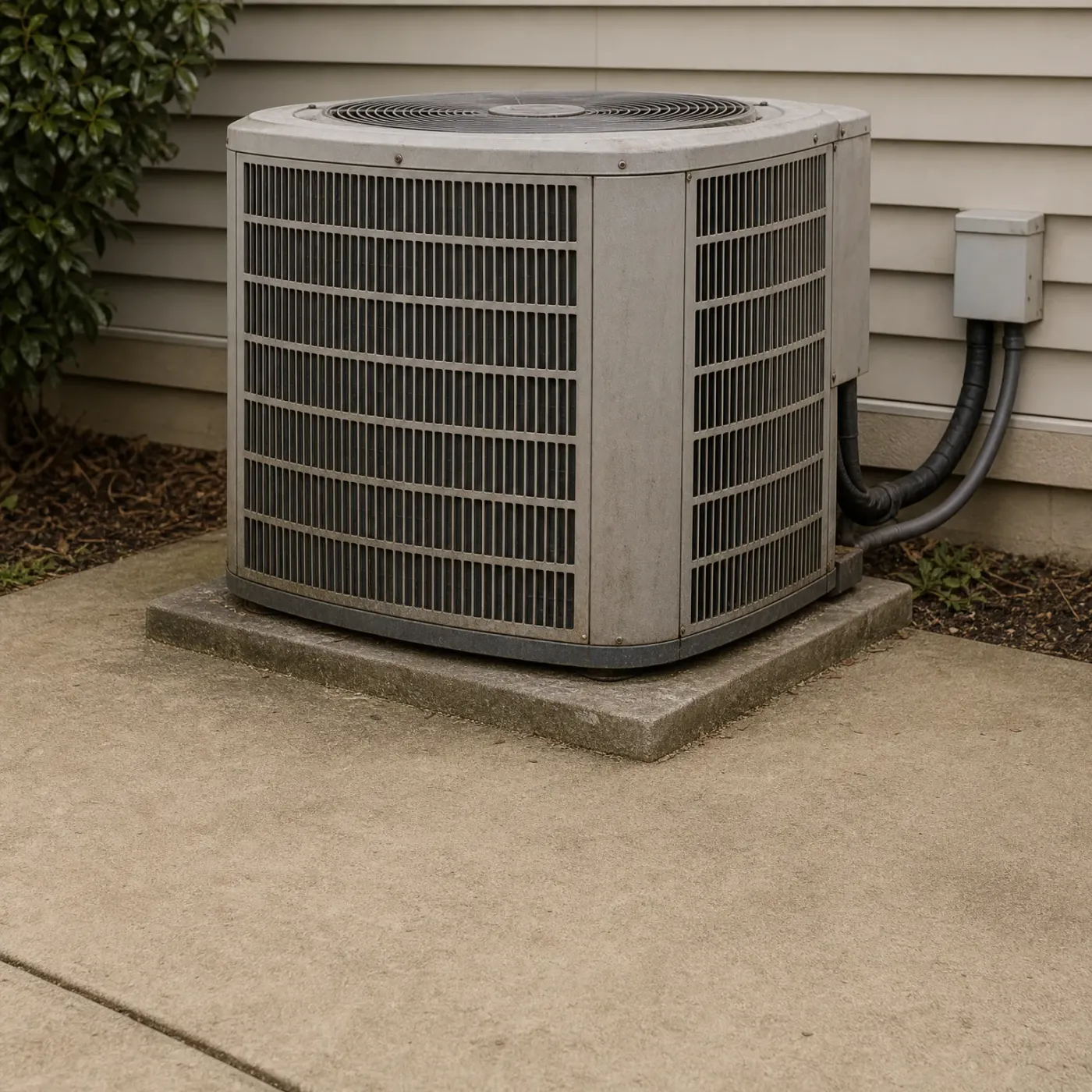
An outdoor condenser unit sits on a concrete pad beside a house with horizontal vinyl siding, with a gray electrical disconnect box and conduit on the wall and a shrub at left.
Before you get your heat pump installation
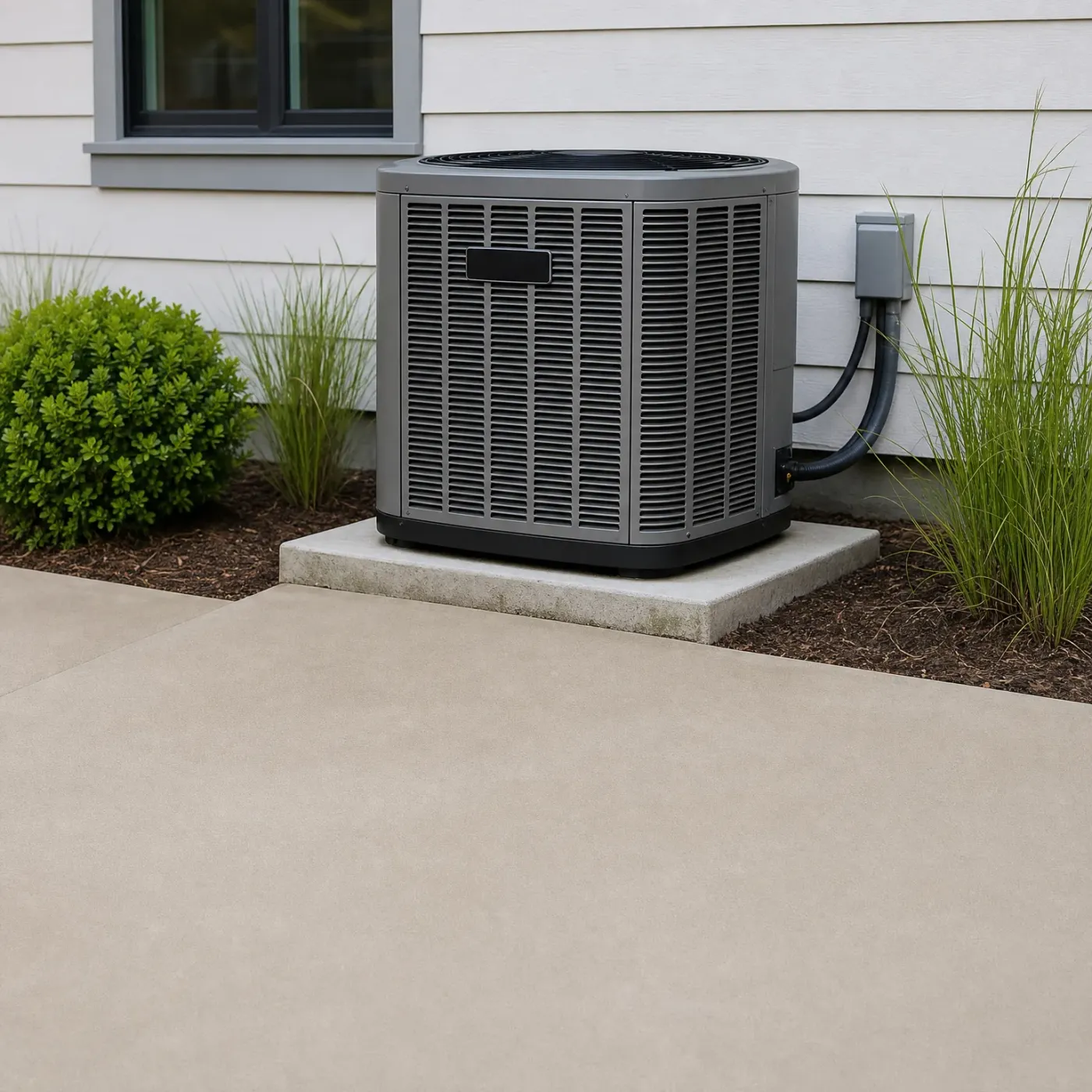
A gray outdoor condenser unit on a concrete pad beside a light-colored horizontal-siding house, with a disconnect box and refrigerant line on the wall, ornamental grasses and a shrub in mulch nearby, and a concrete patio in the foreground.
After you get your heat pump installation

Most gas furnaces switch on at a fixed low temperature and stay quiet the rest of the winter. A heat pump runs differently. It works hardest on the coldest mornings and barely at all the rest of the day.

That's why sizing it to your house matters more than it does with gas heat. Get it right and there's nothing else to run. Get it wrong and backup heat is doing the job the heat pump was supposed to do.

A woman with long gray hair wrapped in a checked blanket sits on a sofa by a window with yellow autumn foliage outside, with a lamp, framed picture and plant in the background.
An older woman in a cream knit sweater sits on a sofa by a window, looking out at sunlit trees with yellow and orange autumn leaves, with a bookshelf and lamp behind her.
A woman with gray shoulder-length hair in a dark knit sweater sits on a cushioned seat by a window, looking out at yellow autumn foliage, with a living room, armchair, houseplant and framed picture behind her.
An older woman with gray hair in a bun, wearing a cream knit sweater, sits on a sofa with a gray blanket and looks out a large window toward yellow-green autumn trees, with a lit table lamp and dark armchair behind her.

No backup heat installed

If the heat pump isn't sized for your house, cold mornings fall on it alone. A weak unit runs longer and still loses ground before sunrise.

Find a licensed pro

Backup heat on standby

A furnace or strip heat kicks in only when the outdoor temperature drops past what the heat pump can handle, so the house stays warm without the unit straining.

Find a licensed pro

Is your house ever cold on the coldest mornings

Walk through the house around sunrise in January. If the air coming out of the vents feels cool instead of warm, or the thermostat is set to 70 but the house reads 66 and won't climb, the heat pump is behind. You might hear it running almost nonstop, not cycling off like a furnace does. Rooms farthest from the unit lag the most. None of this is dangerous on its own, but a system that can't keep up on the coldest days usually can't keep up all winter, and the power bill reflects the extra hours it's running just to lose ground.
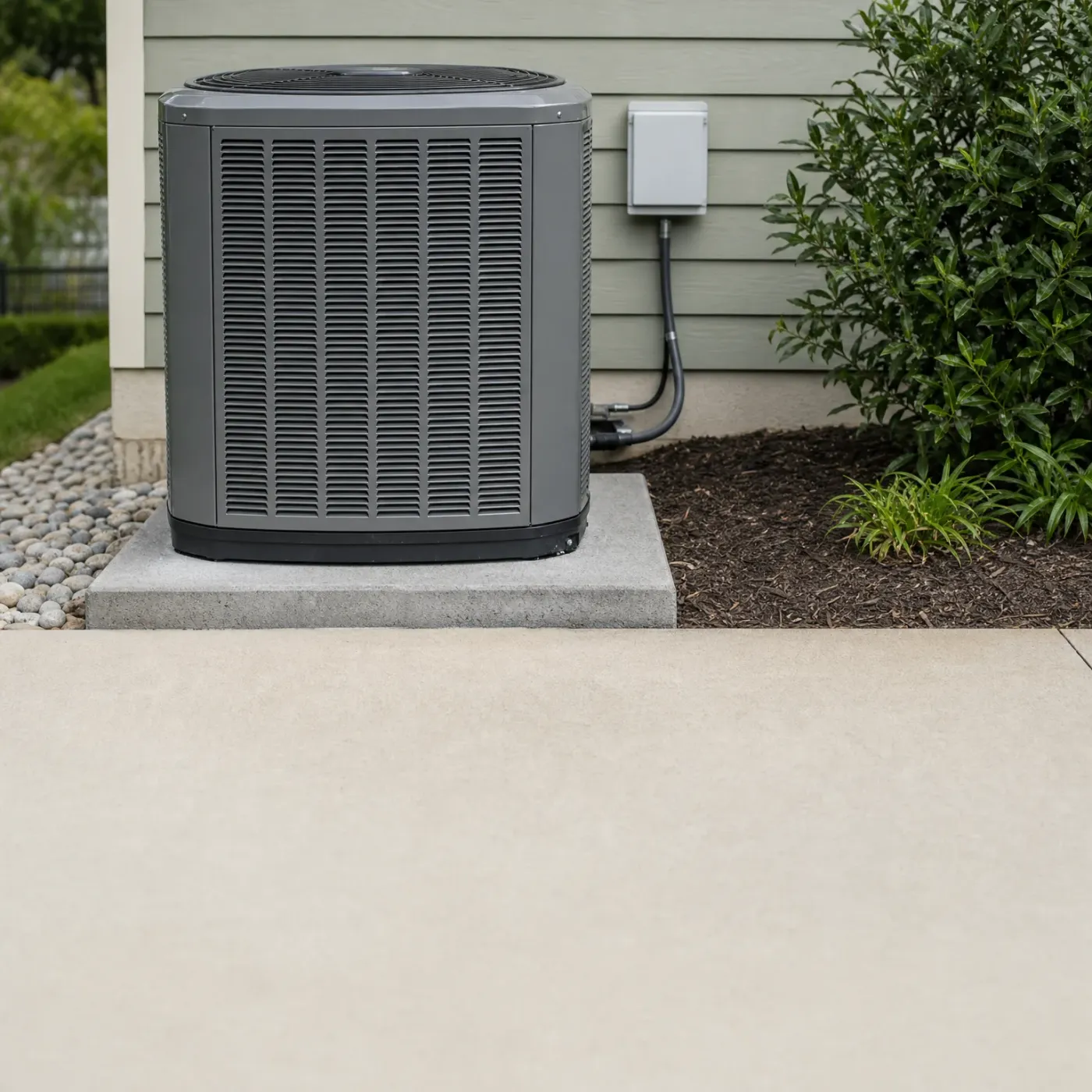
A gray outdoor condenser unit on a concrete pad beside a light green lap-sided house, with a wall-mounted electrical disconnect box, mulch bed with shrubs, river rock, and a paved walkway in the foreground.

Running clean

Coils clear and the area around the unit open, a heat pump like this pulls heat from outside air without a fight. Airflow stays steady, so it doesn't have to run longer than it should to keep the house warm on a cold morning.
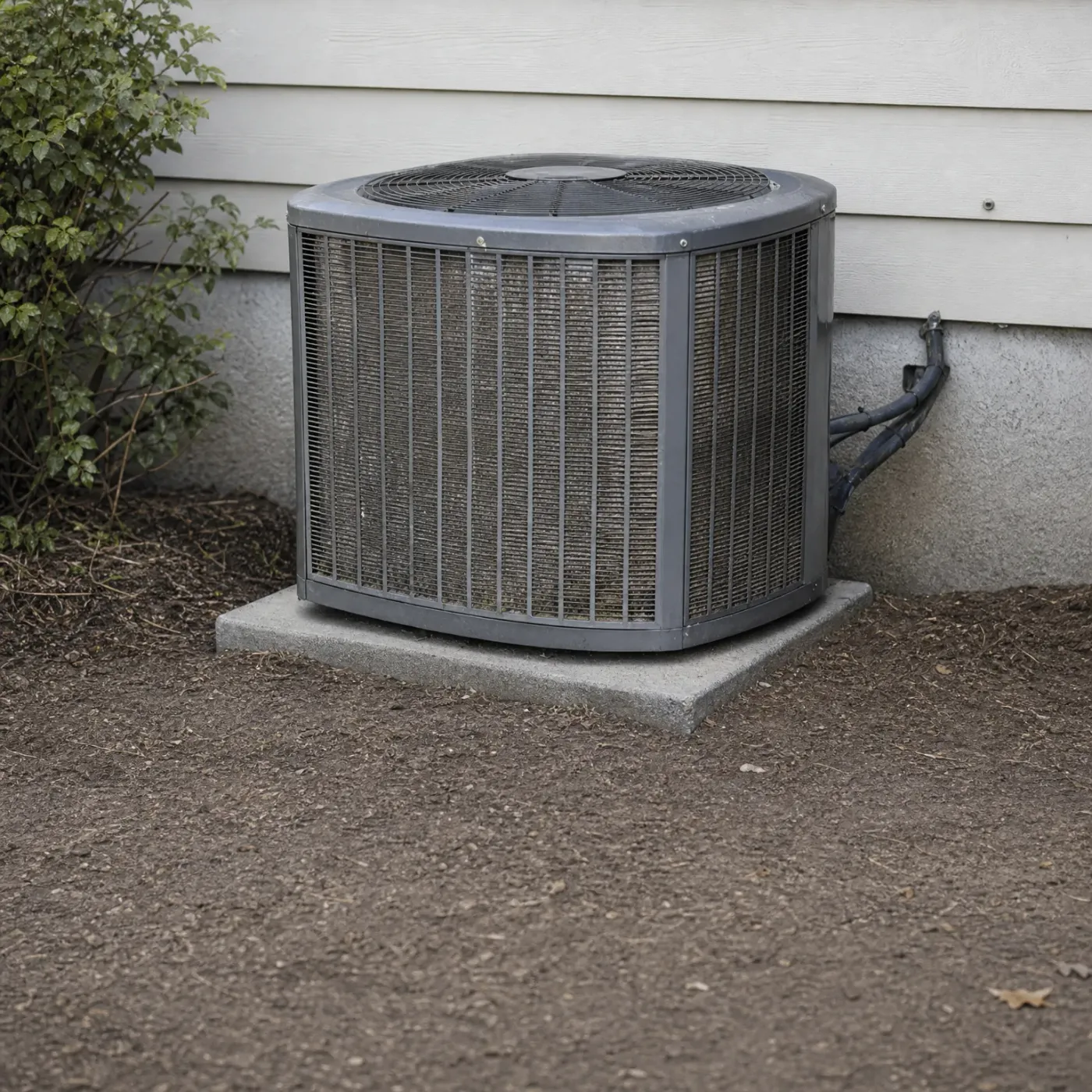
An outdoor air conditioner condenser unit on a concrete pad beside a house with horizontal lap siding, with refrigerant lines entering the wall and a shrub on bare soil to the left.

Coils clogged

Debris packed into the coils like this blocks the airflow the unit needs to pull heat from outside air. It runs longer to make up the difference, and on the coldest mornings it may not catch up at all. A technician who services this equipment locally can tell you whether cleaning it restores what it's losing.

What temperature does a heat pump stop working at

You've heard a heat pump struggles once it gets cold enough outside, and you want a real number, not a vague warning, so you know whether your area's coldest mornings are something to worry about or not.

Most heat pumps keep pulling heat from outdoor air down to around 0 to 5 degrees Fahrenheit before output drops off sharply

That number comes from how the refrigerant cycle works, not from a fixed shutoff switch. As outdoor air gets colder, there's less heat in it to capture, so the compressor works harder for less return. Somewhere around 0 to 5 degrees, most units can no longer pull enough heat to keep up with the house, even running constantly. California rarely sees mornings that cold outside the mountains. In most parts of the state, overnight lows stay well above that mark all winter, which is a big part of why a heat pump here can carry the house on its own rather than leaning on a second system to get through January.


A woman in a cream knit sweater sits in an armchair with her eyes closed and a slight smile, beside an open window showing orange autumn foliage, with a mug, books and a lit candle on a small side table.
An older man with gray hair and a beard leans back on a beige sofa with his eyes closed, in a sunlit room with potted plants, a wicker chair and large windows behind him.

A pro who works on heat pumps

Your request stays with one local pro.

Asking costs nothing, and the choice to hire stays yours.
A single-story house with gray vinyl siding, dark shingled gable roofs, and white-trimmed windows, set behind a partly dry green lawn under a clear blue sky.

Summer here isn't what makes a heat pump struggle, but it's worth knowing what it doesn't do to the unit. Averaged across California, the summer dew point runs 50°F, according to NOAA climate data, which is low enough that the air rarely feels heavy. Your heat pump isn't fighting humidity to cool the house, so it isn't pulling double duty removing moisture on top of lowering the temperature. The real test for sizing is on the other end of the year, in January, when the same unit has to pull heat out of cold air instead of pushing it out of warm air.

NASA POWER T2MDEW county cells weighted by homes
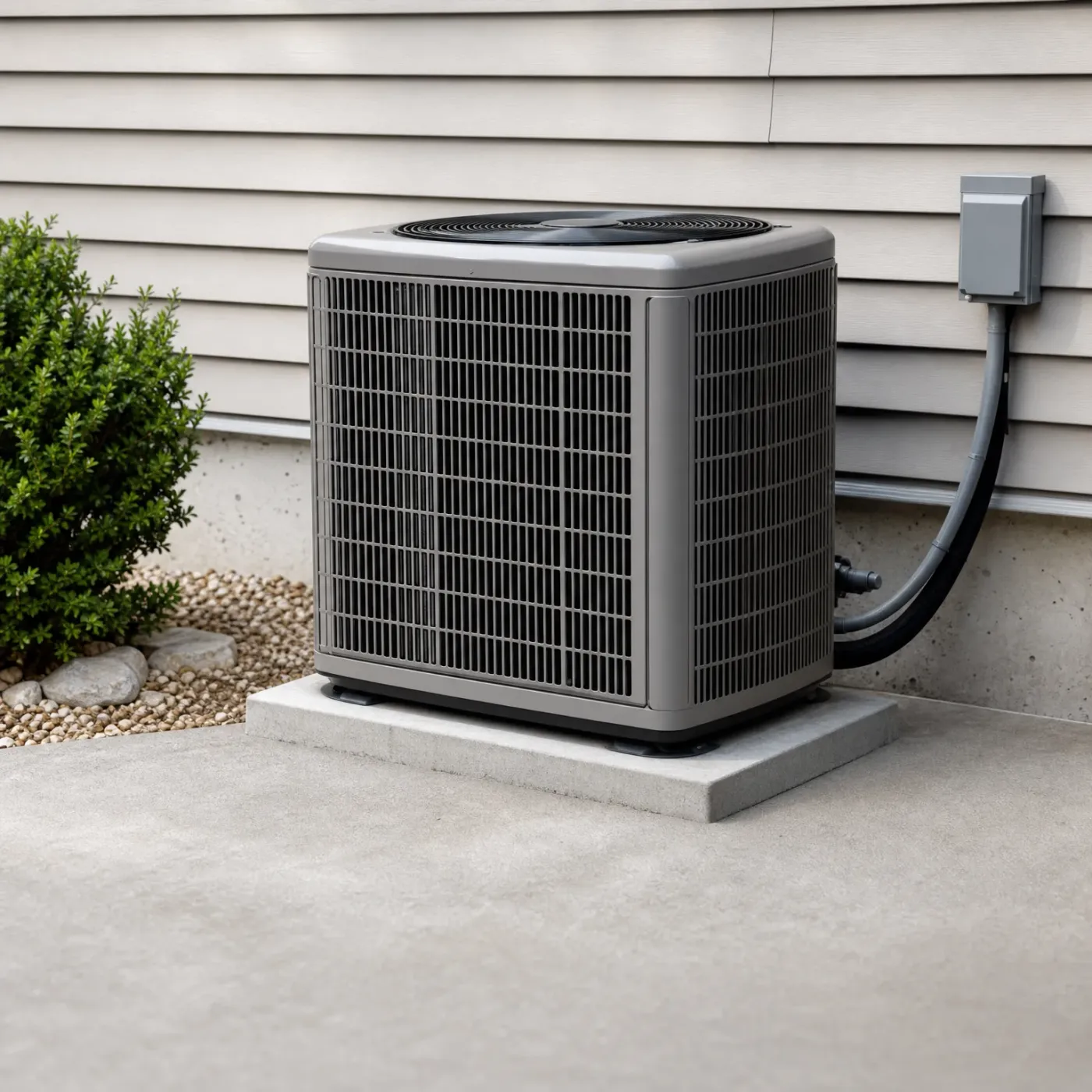
Heat Pump Alone or With Backup

Heat pump only

  • No second heating system to install, maintain, or pay a contractor to inspect every year.
  • Works off the same electric circuit as the heat pump, so there's one piece of equipment to keep running.
  • Costs less upfront since there's no furnace or strip heat to buy and wire in.
  • If the unit is sized for your house, it covers January mornings without help.
  • If it falls behind on a cold snap, the house has nothing else to fall back on until the heat pump catches up.
  • A mistake in sizing shows up as a cold house, not as a backup system quietly picking up the slack.

Heat pump with backup

  • Gas furnace or strip heat kicks in only on the mornings the heat pump can't keep pace.
  • Gives you a second system already in place if the heat pump ever needs repair in the middle of winter.
  • Costs more to install since you're paying for two heating systems instead of one.
  • Strip heat draws a lot of power, and electricity here is already expensive, so it adds to the bill when it runs.
  • Most homes with gas heat already have a furnace in place, so backup may mean keeping what's there rather than adding something new.
  • Worth it mainly if the heat pump is undersized or the house has rooms that run cold even with a properly sized system.
A gray outdoor condenser unit on a concrete pad beside a house with horizontal lap siding, connected by conduit and lines to a wall-mounted disconnect box, with a shrub and gravel bed to the left.

Coils clear, airflow open

This is what a heat pump should look like year round. The coil guard is clean and nothing blocks the fan, so outside air moves through freely. That matters most on a cold January morning, when the unit is already working hardest to pull heat indoors.
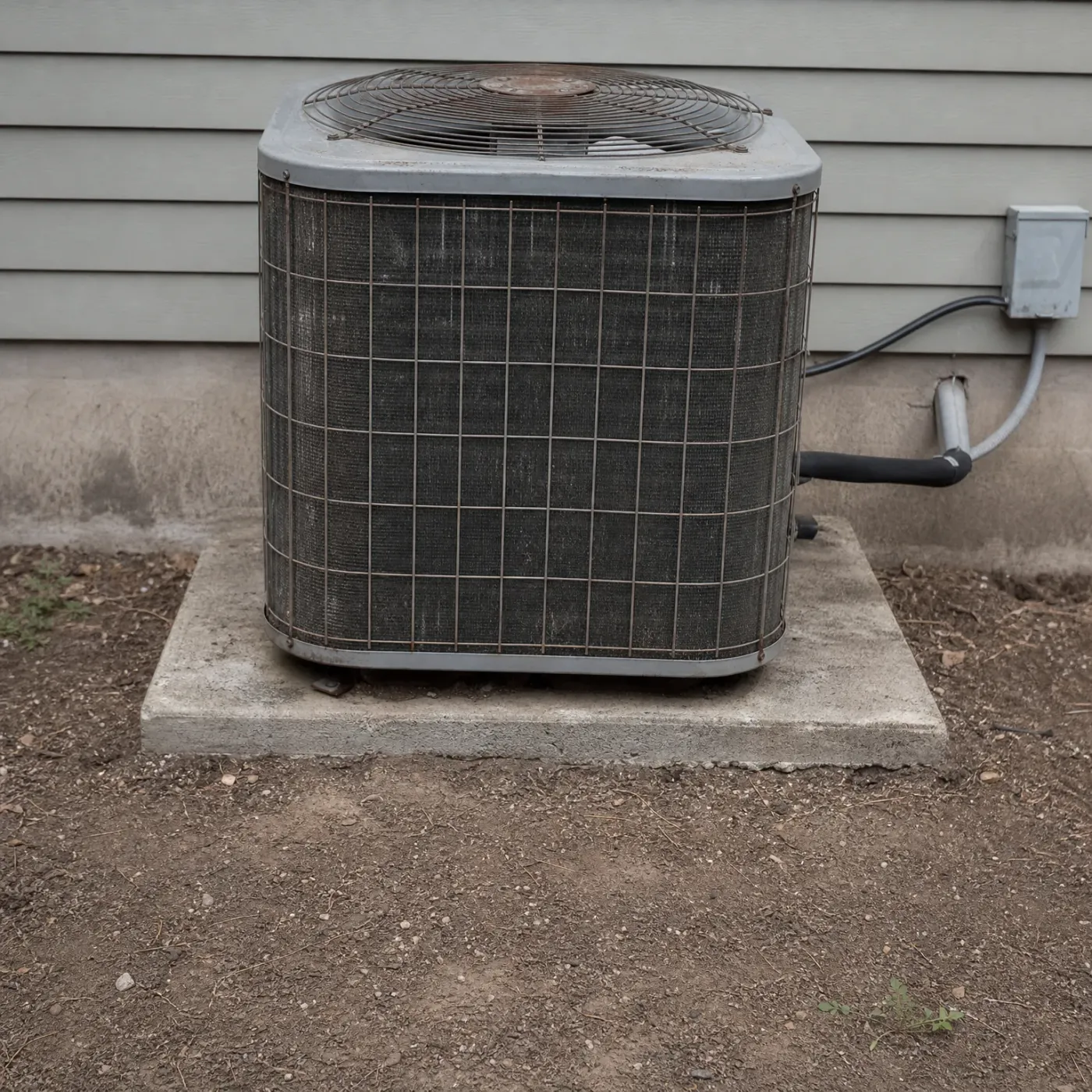
An outdoor air conditioner condenser unit on a concrete pad beside a house with horizontal lap siding, with refrigerant lines and a gray electrical disconnect box on the wall, surrounded by bare dirt.

Coils caked with dirt

A unit coated like this can't move air the way it was built to. The compressor runs longer to pull the same heat out of the air, and on the coldest mornings that's exactly when it can fall behind and lean on backup heat, or on a furnace that isn't there.

Power costs 31.35 cents per kilowatt-hour statewide

At 31.35 cents per kilowatt-hour, every hour your heat pump leans on backup strip heat instead of the compressor costs you. Strip heat warms the air with pure electricity, no transfer from outside air, so it draws far more power to do the same job. A unit sized right for your house avoids that switch on all but the coldest mornings.

EIA-861 2025 statewide residential average

Sizing decides it, not climate

  • Most California homes don't need a second heating system if the heat pump is sized and installed right from the start.
  • The question isn't climate, it's whether the unit installed can still pull enough heat on the coldest morning of the year.
  • A properly matched heat pump handles January on its own; an undersized one leans on backup power that costs more to run.
  • A local contractor who installs these year round knows what sizing mistakes cause the trouble you've read about above.
  • You'll be matched with one licensed California contractor, not a list of companies competing for your call.
  • Getting the sizing right at installation is what decides whether you ever need backup heat at all.

California winters don't ask much of a heat pump. What decides whether yours needs backup isn't the weather, it's whether the unit installed matches your house. A heat pump sized for your square footage, your insulation, and your coldest mornings will keep pulling heat from outside air all through January without help. One that's undersized, or aging, falls behind on those same mornings and starts leaning on backup heat to close the gap, and that backup heat costs more per hour to run than the compressor alone.

That's why installation is where this gets decided, not after. A contractor who works on heat pumps every season in California sees the same sizing mistakes come up again and again, undersized units, poor airflow, a system picked for the price instead of the house. Someone local who installs these year round knows which of those mistakes leads to the cold mornings you've read about above, and how to avoid them before the unit ever goes in.

When you request a match through this page, you're connected with one licensed contractor in California, not a handful of companies calling you back. That contractor can look at your house, your ductwork, and your coldest mornings, and size the installation so the heat pump carries the load on its own. Get that part right, and backup heat stops being something you need to think about.
Corner of a house with light horizontal lap siding, a white gutter and downspout, and a window, beside a mulched bed with small shrubs, a lawn, wooden fence and trees in the background.
Close-up of a white gutter along an asphalt-shingle roof edge with dry brown leaves collected in it, a downspout and lap siding below, and blurred autumn trees in the background.
Exterior corner of a house with horizontal lap siding above a stone veneer base and a dark-framed window, with ornamental grasses and shrubs in the foreground and trees in low sunlight behind.
A white horizontal-siding house with a steep gray shingled gable roof, fronted by trimmed shrubs, a brick walkway, and a lawn scattered with fallen autumn leaves.
Corner of a house with cream horizontal lap siding, a black-framed window, asphalt shingle roof with dark fascia, white hydrangea blooms and green shrubs below, and a leafy tree and wood fence to the right.

Get your heat pump to the right pro

Your request goes to one pro, not a list of companies.

Get a licensed local pro

No fee to send it, and nothing to sign.