 Hand it off
Is a dual fuel heat pump worth it in California
Once you send the form, finding a pro is off your list.
You already have a heat pump, so you know it handles your summers without much strain. California summers don't carry the kind of heavy, wet heat that wears out a system fast. The question is what happens the rest of the year, when it has to make heat instead of move it.
Most homes in California heat with gas, and there's a reason for that. A heat pump loses efficiency as the outdoor temperature drops, and it's pulling from a grid where power costs more here than almost anywhere else in the country. A dual fuel setup pairs your heat pump with a gas furnace, so the system runs on electricity when that's the cheaper, easier way to make heat, and switches to gas when the outdoor air gets cold enough that gas does the job better.
Whether that switch is worth making for your house depends on things a page can't see: what your ductwork can support, what gas line is already run to your house, what your heat pump is rated for. That's the kind of thing a contractor checks in person, not something to guess at from a search box.
If it sounds like it fits your situation, you can request an installation quote and stop there. Once you send the form, the work of finding someone who installs dual fuel systems in California stops being something you have to chase down yourself. You're matched with one licensed, local contractor, not a list of five companies calling you back at once. The person who shows up is someone who works on heat pumps and gas furnaces together all year in this state, who knows what a dual fuel setup needs to run right here, not in a climate that has nothing to do with yours.
From there, it's a conversation about your house, not another search.
For most homes in California, a dual fuel setup isn't worth adding. Dual fuel pairs a heat pump with a gas furnace so the furnace takes over when outdoor temperatures drop low enough that the heat pump struggles to keep up. That switchover matters in places with real winters. It matters much less here. Your heat pump can carry the heating load on its own most days, since California winters rarely push temperatures low enough to strain it the way they would in colder states. Where gas already runs to the house, keeping the furnace as backup for the few coldest nights can make sense, but building a new dual fuel system from scratch usually isn't. The better question for most homeowners here isn't whether to add gas backup. It's whether the heat pump already installed is sized and set up to run efficiently through the winter it actually gets.
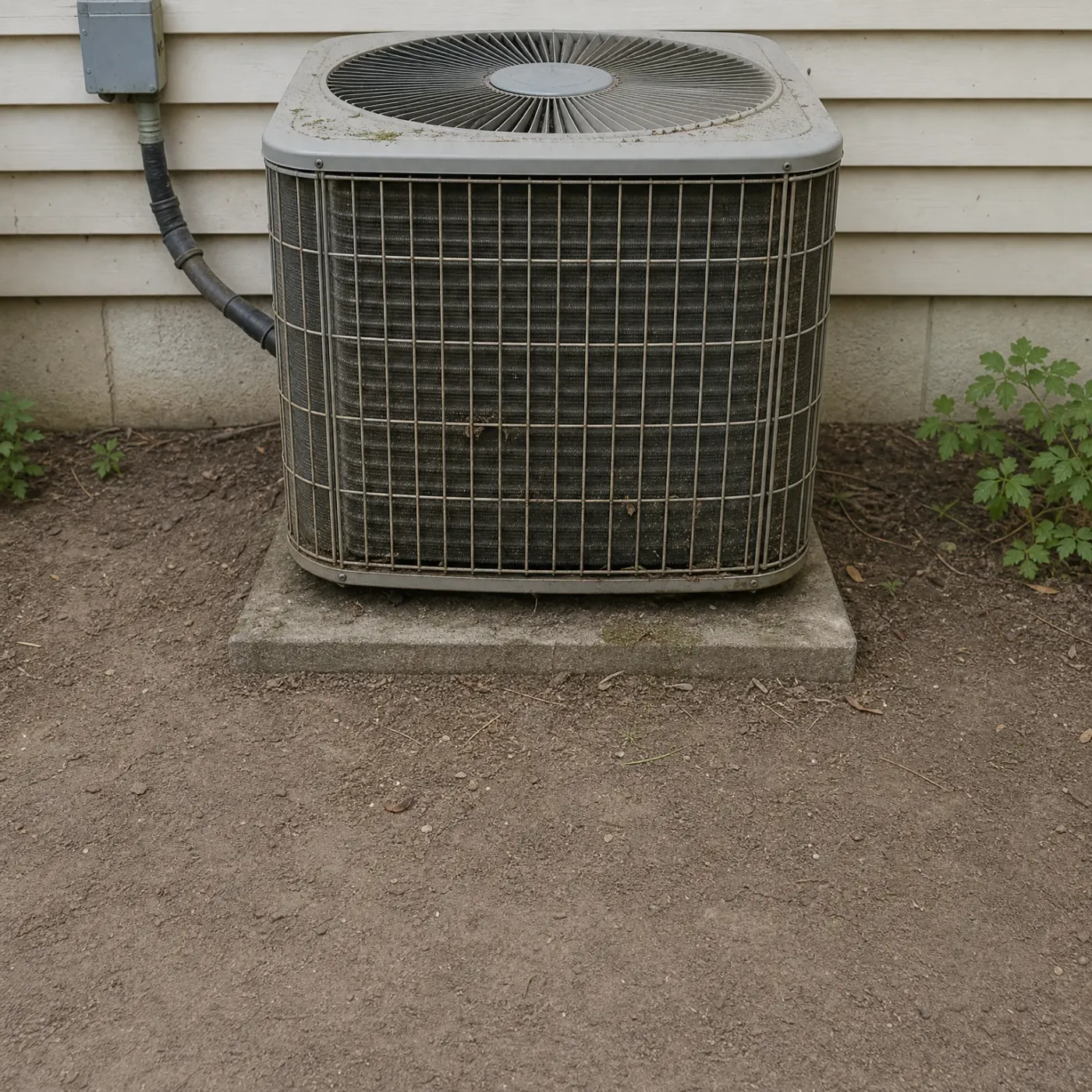
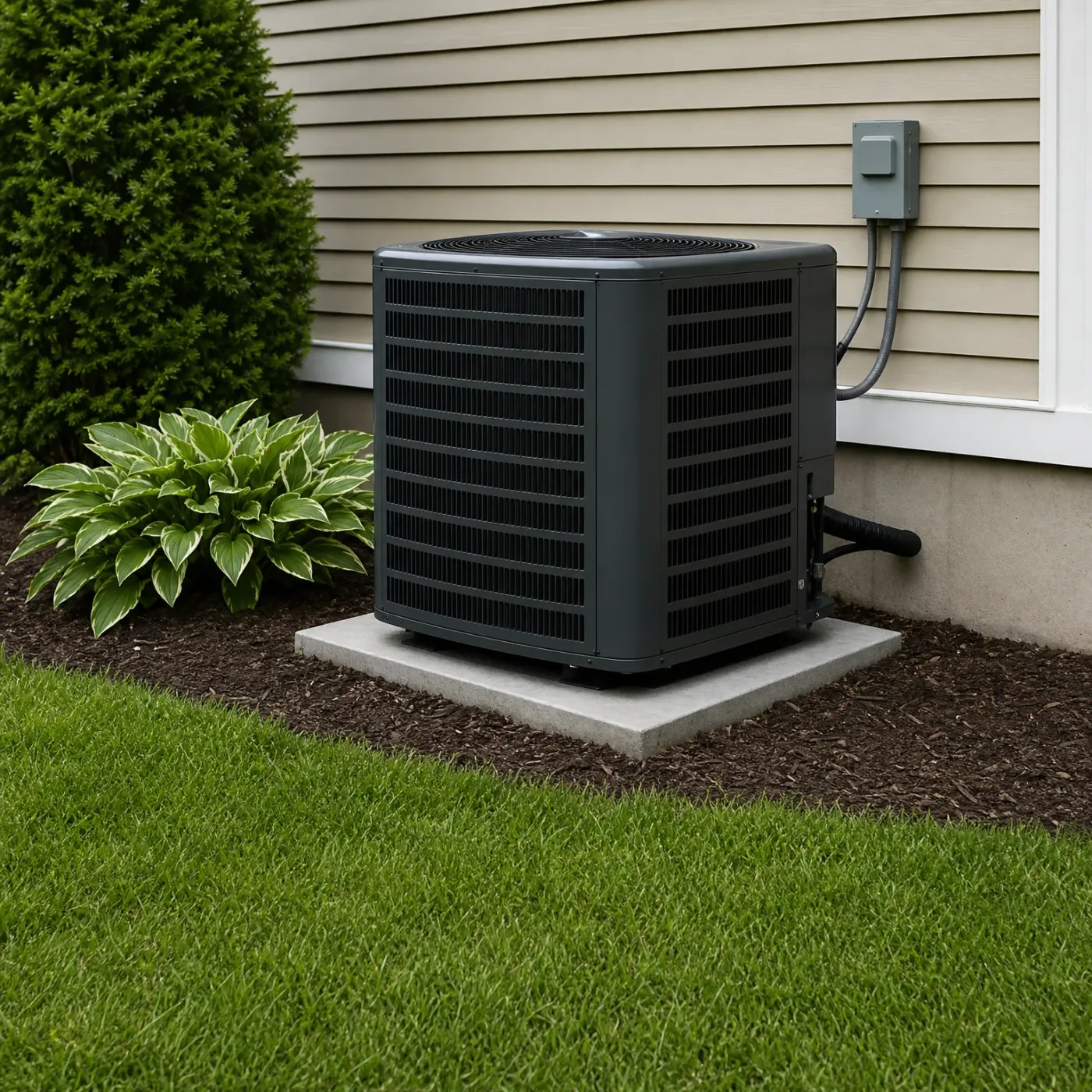
Heat Pump Alone or Dual Fuel
Stick with the heat pump alone
- Your heat pump already covers the summer without strain, and in most of California it handles winter mornings down into the 30s and 40s just fine.
- Running electric heat alone means every therm you'd have burned in the furnace shows up on your electric bill instead, and power here costs more than gas per unit of heat delivered.
- A heat pump loses efficiency as the outdoor temperature drops, so on the coldest nights of the year it has to work harder to hold the house at temperature.
- If your gas furnace is old or was already due for replacement, keeping it around just to sit idle most winters may not be worth the upkeep.
- Fewer components means less to go wrong: no gas valve, no igniter, no flue to maintain alongside the heat pump.
Add the furnace as backup
- If you live somewhere in California that sees real cold, the Sierra foothills or higher desert areas, a dual fuel setup switches to gas exactly when the heat pump starts losing ground.
- The furnace only fires on the coldest days, so most of the winter your heat pump still does the work and keeps your bill lower than running gas full time.
- A qualified installer sets the switchover point based on your heat pump's actual output at low temperatures, not a guess, so the furnace only kicks in when it needs to.
- If your home already has a gas furnace and line in place, adding the heat pump to work alongside it is a smaller job than people expect.
- On the rare nights your area dips well below freezing, gas heat recovers the house temperature faster than a heat pump running at its limit.




Send one request and you're done looking

Your request goes to one pro, not a list of companies.
Sending the form costs nothing.

Outdoor temperature drops and the heat pump works harder to keep up.
A sensor reads the outdoor air against the system's set switchover point.
Below that point, the thermostat signals the furnace to take over.
The gas furnace fires and becomes the primary heat source.
What does your heat pump do on the coldest mornings
On the colder mornings, listen to how long the heat pump runs before the house feels warm. If it keeps blowing air that feels cool to the hand and the house is slow to come up to temperature, it's leaning on backup electric strip heat to make up the difference, and that's what shows up on the power bill after a cold snap. You might also notice the outdoor unit running almost nonstop before sunrise. None of this means the equipment is failing. It usually means the system is doing exactly what it was set up to do, just without a furnace to hand the hard part off to.
Summer dew point across California averages 50°F through June, July and August, according to NOAA climate records. That's dry air, the kind that doesn't cling to your skin. Your heat pump isn't fighting moisture the way one would in a humid state, so it isn't running long cycles just to wring water out of the air. You'd notice this as a system that cools the house and shuts off, rather than one that runs on and on. It also means the compressor sees less load in summer, which has nothing to do with how it handles the cold mornings you're asking about.
NASA POWER T2MDEW county cells weighted by homes
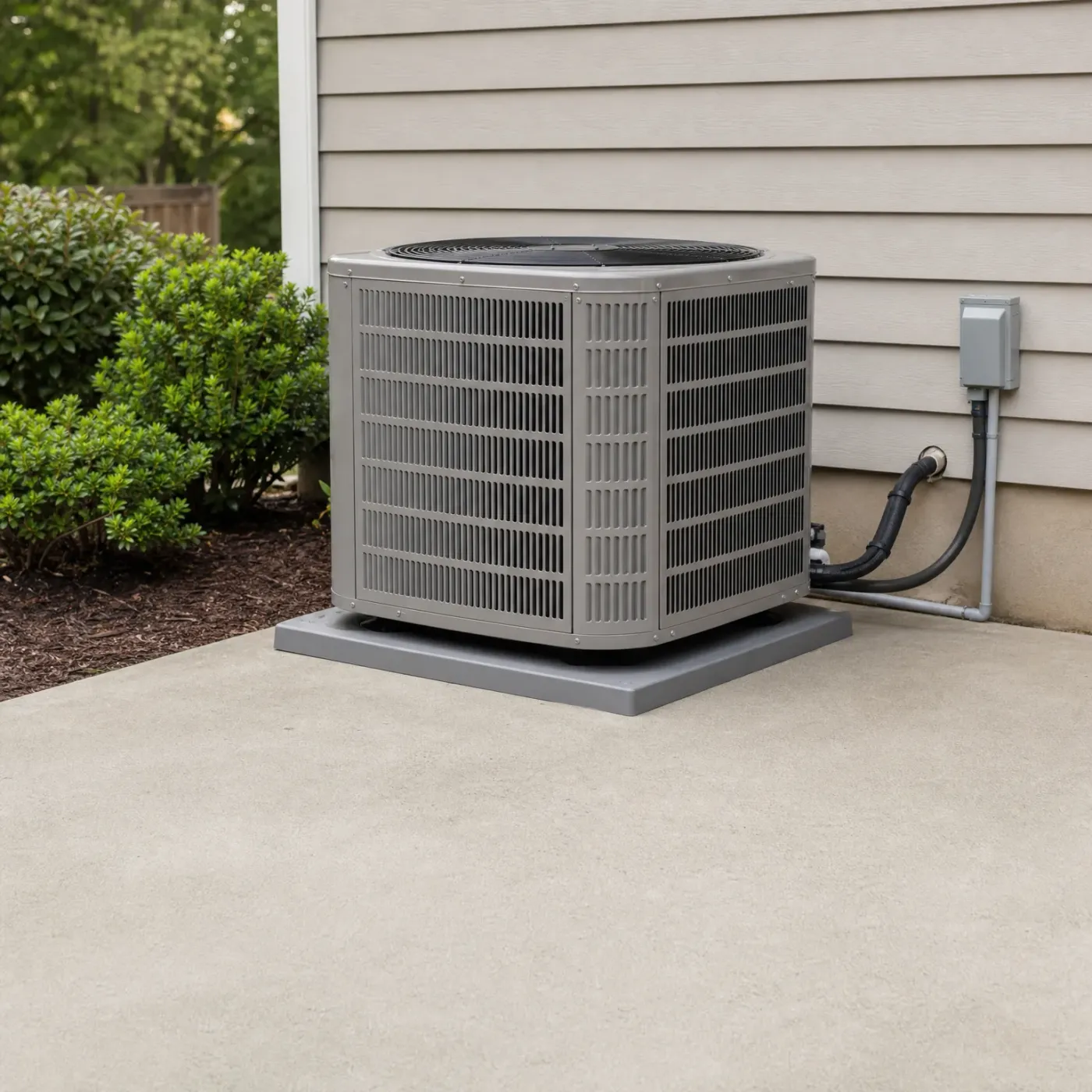


Power costs 31.35 cents per kilowatt-hour statewide
At 31.35 cents per kilowatt-hour, every hour your heat pump leans on electric backup instead of gas costs more here than almost anywhere else. That's what makes the switchover point worth getting right when it's installed, not something to leave on a default setting.
EIA-861 2025 statewide residential average
Where you stand on dual fuel
- For most California homes, the heat pump alone covers the job and adding a furnace isn't worth it.
- Where dual fuel does make sense, the switchover point has to be set correctly or you're paying electric rates for heat the furnace should be making.
- A contractor who works on heat pumps all season in your area knows what usually goes wrong with these setups here.
- You'll get matched to one licensed local contractor, not a batch of calls from companies that don't know your climate.
- Getting the setup right once means you're not troubleshooting a bad switchover point every winter after.
Your heat pump already does the job most months of the year. California winters don't push outdoor temperatures low enough, often enough, to justify the cost of adding a furnace for most homes here. If your mornings dip into the range where the heat pump starts to struggle, that's the exception worth looking at, not the rule.
Where a furnace does get added, the work that matters most isn't the equipment. It's where the switchover point gets set. Set too low, the heat pump keeps running on electric backup during the coldest stretches, and at California's electric rates that adds up fast. Set right, the furnace takes over exactly when it should and no earlier.
That's the kind of detail a contractor gets right by working on these systems all winter in your area, not by following a default setting out of a manual. Someone local has seen which switchover points hold up here and which ones leave homeowners calling back every January.
You'll be matched to one licensed contractor local to you, not a list of companies fielding the same request. That means someone who already knows the climate and the equipment, not someone learning your situation from scratch. Get the setup right once and you're done deciding it. You won't be adjusting it again next winter, or the one after.
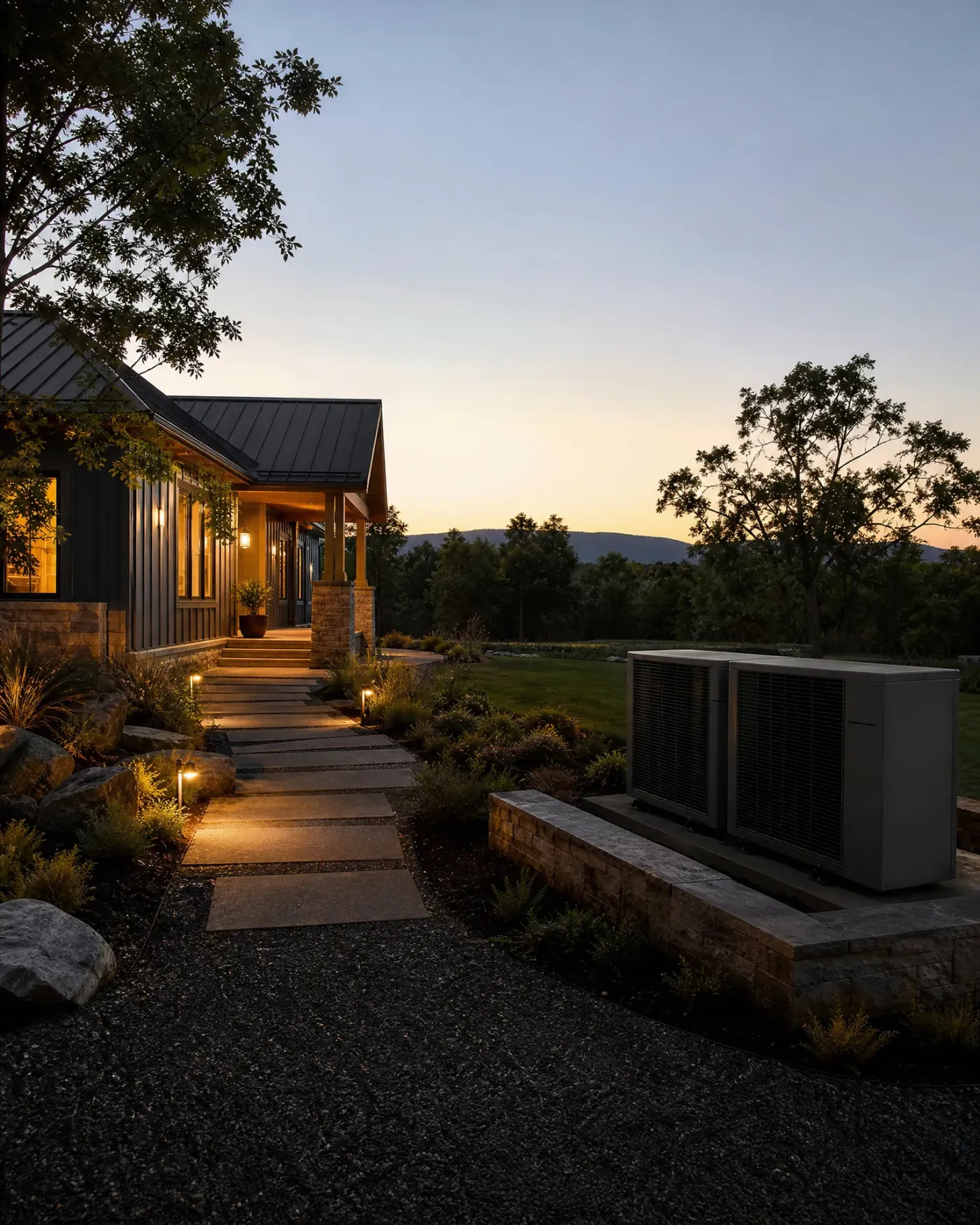
Heat Pump Installation
Finding a pro stops being your job

- Describe your heat pump job, and a local pro who handles it gets in touch.
- A local installer who puts in heat pumps gets your project.
- Send the request and finding a pro stops being your problem.
- After this form, you can stop searching for a heat pump pro.

- Answer a few questions instead of calling shop after shop.
- Describe your heat pump job once, to one pro.

- The pro who reaches out is licensed in California.
- Only one pro gets your request, so you hear from one company.