
Some water is normal
During a defrost cycle, the outdoor unit melts frost off its coil and that water drains onto the pad below. A little puddling near the base, especially after a cold morning, is just the unit doing what it's built to do.
You went outside and found water pooling under the outdoor unit, or maybe it's dripping near the indoor air handler. A heat pump isn't supposed to leave puddles behind, so it's natural to wonder if something inside it has failed. Before you decide whether this is a quick fix or something bigger, it helps to know what's actually causing the water and whether it points to a real problem.
A heat pump pulls moisture out of the air every time it runs, whether it's heating or cooling your home, and that water has to go somewhere. Normally it drains off through a condensate line and drips out near the outdoor unit or into a drain pan. Water showing up where it shouldn't usually means that line is clogged with algae or debris, the drain pan has cracked, or the unit is icing over and then thawing faster than the pan can handle. A small drip near the outdoor unit on a cool morning is often nothing. Water pooling indoors, soaking into a wall, or showing up near the air handler is worth having a contractor look at before it damages flooring or drywall.
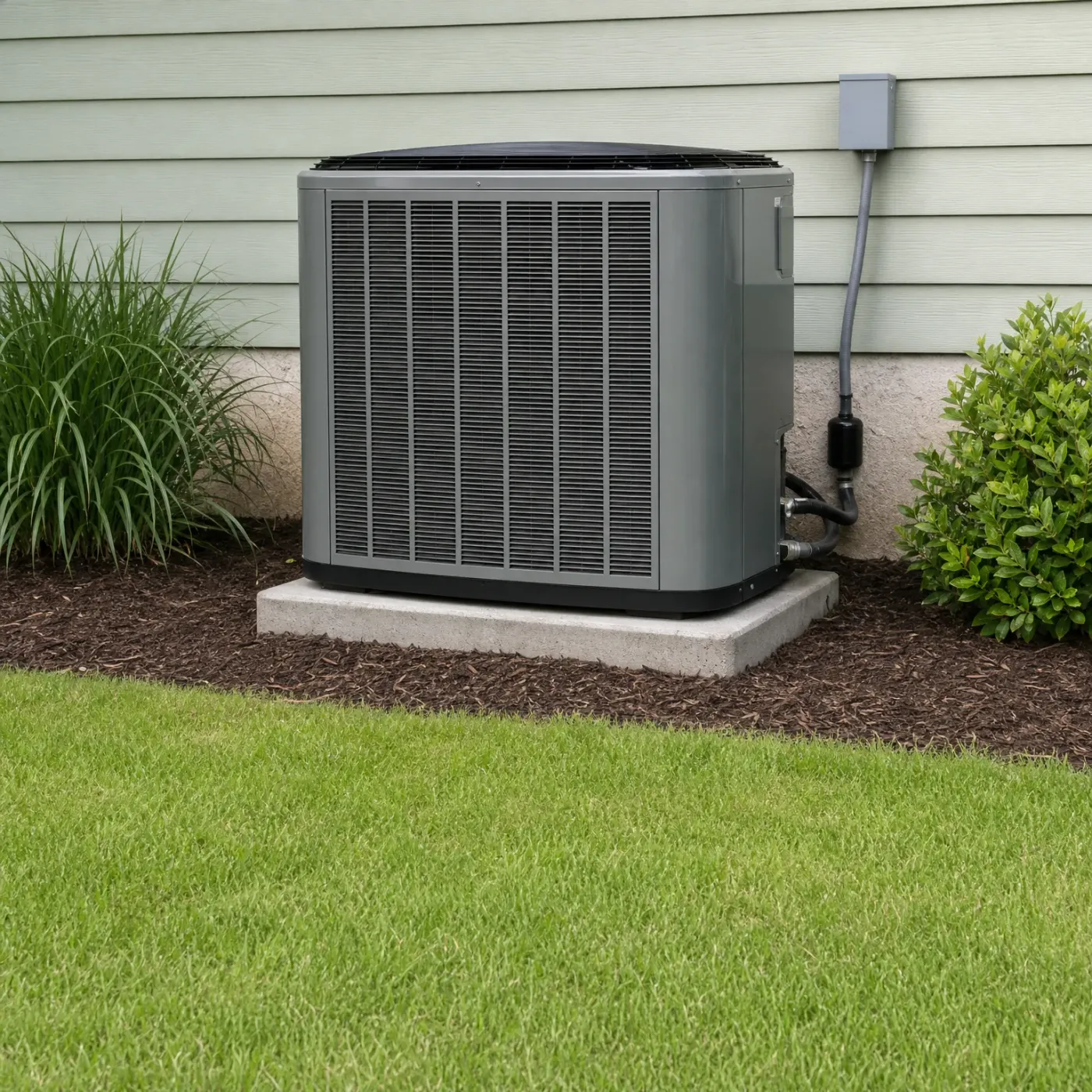
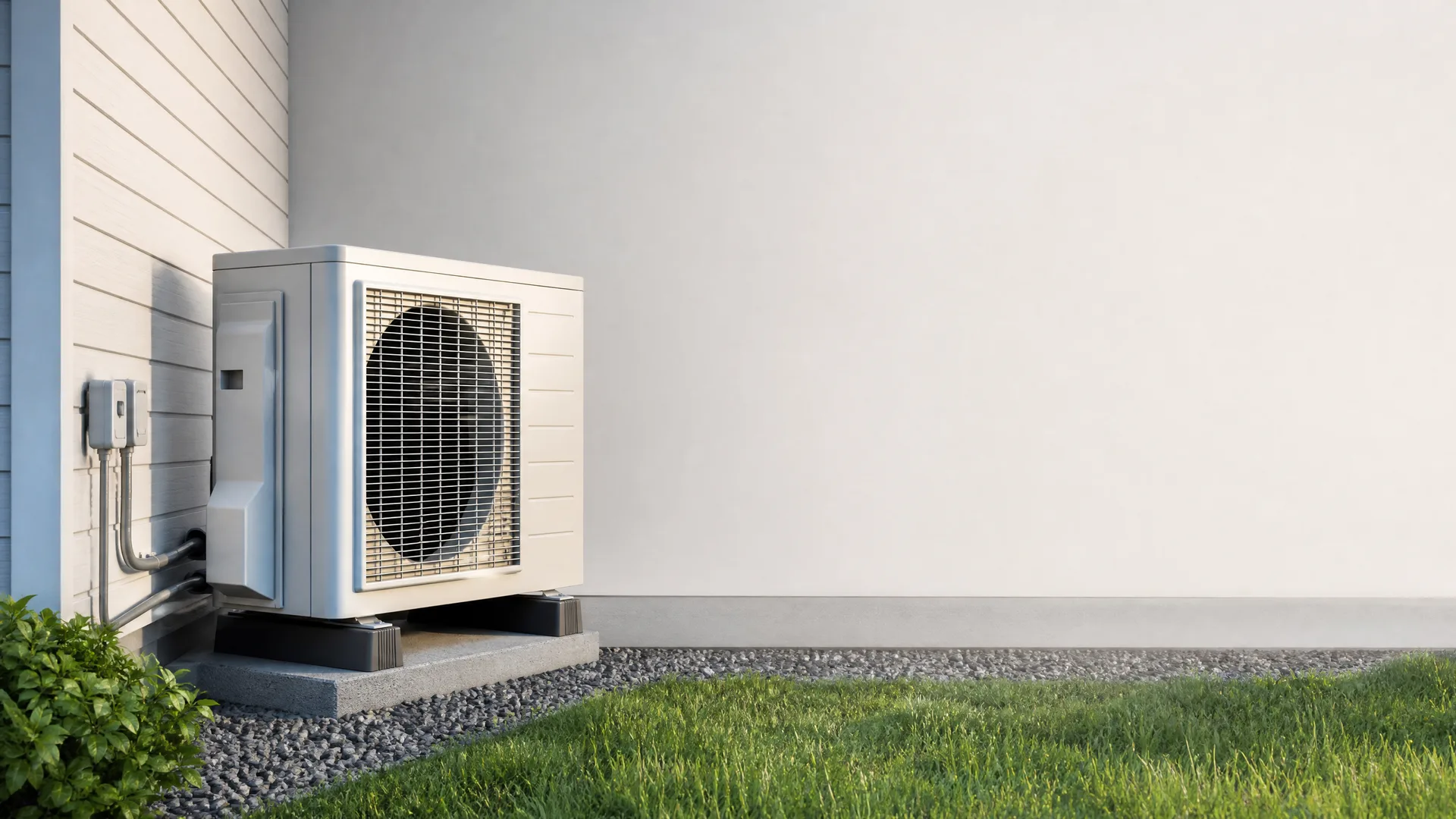
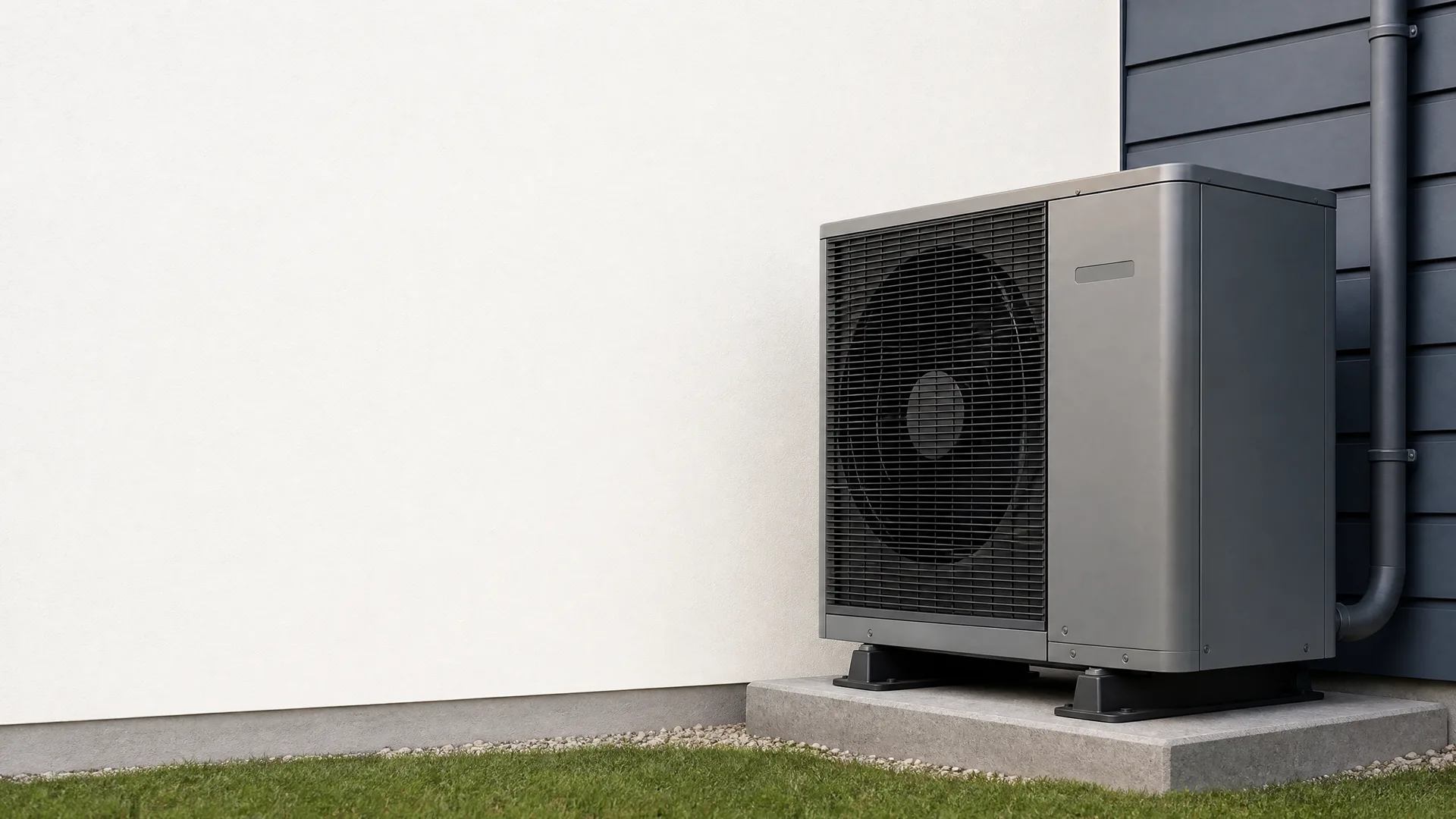
During a defrost cycle, the outdoor unit melts frost off its coil and that water drains onto the pad below. A little puddling near the base, especially after a cold morning, is just the unit doing what it's built to do.
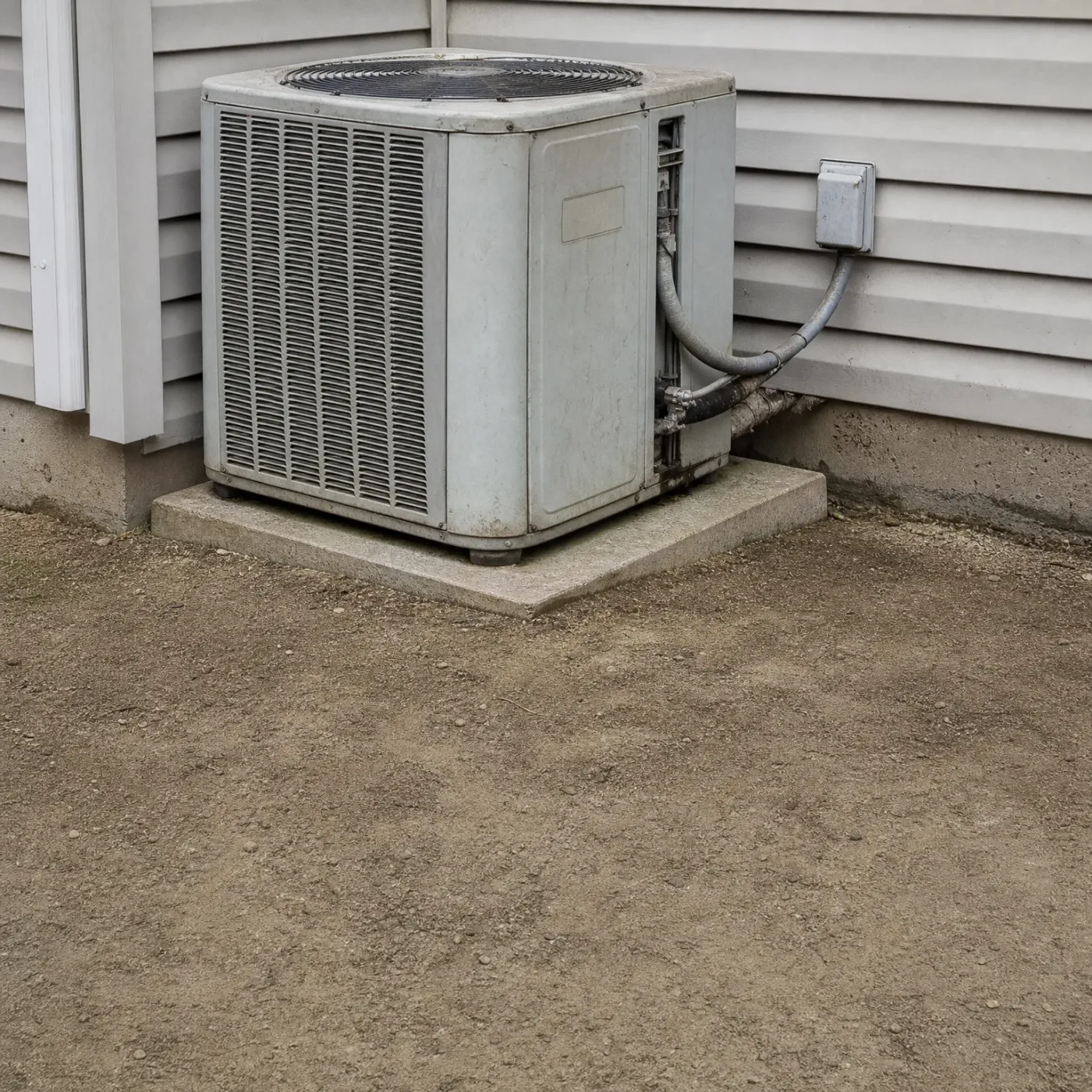
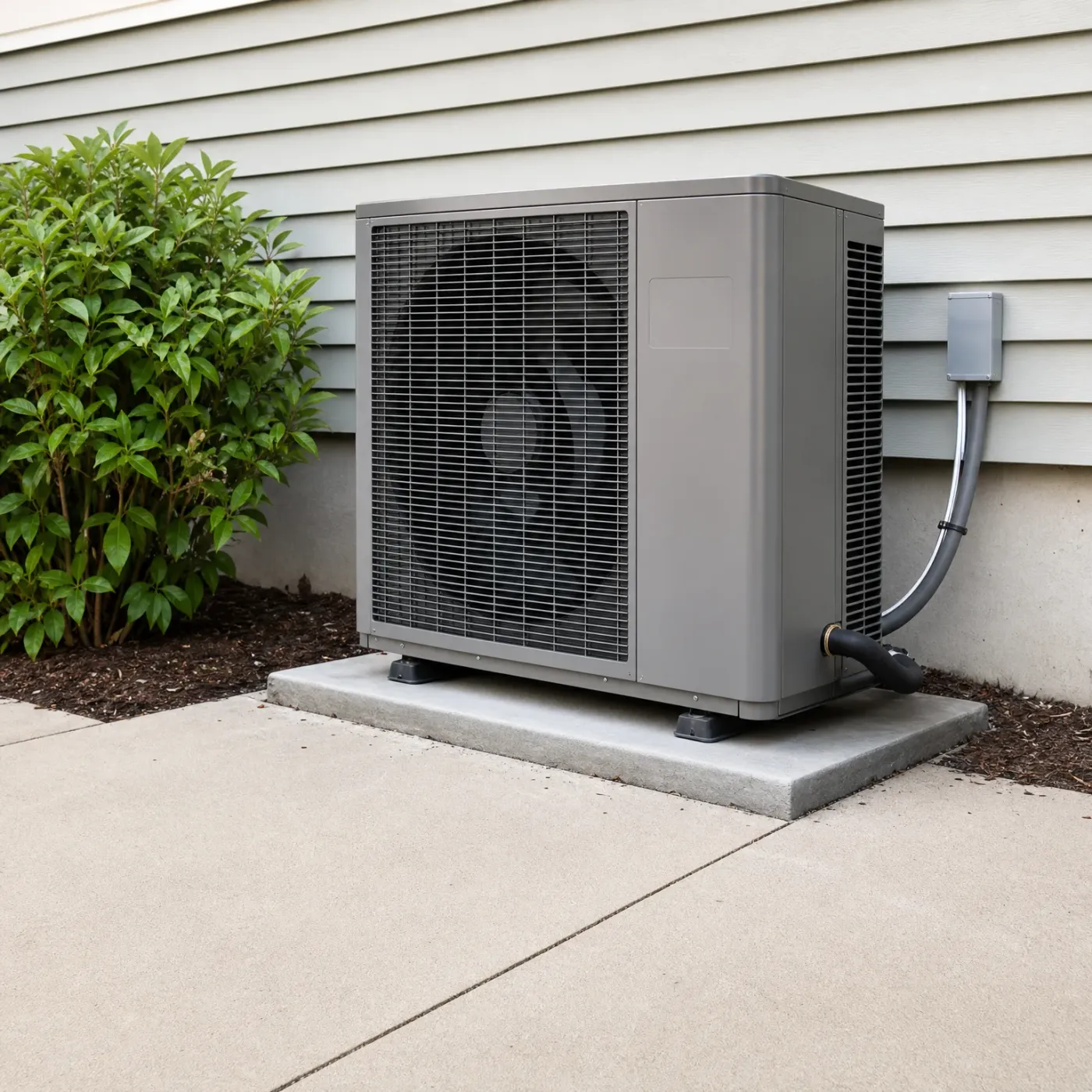
Water tracking down the siding, pooling against the foundation, or showing up near the electrical disconnect is different. That usually means a drain line is blocked or a pan has rusted through, and it's worth having someone look before it reaches the wiring.




Inside the air handler, the coil pulls moisture out of the air and that water has to go somewhere. It drips into a pan underneath, then down a line that usually runs out through PVC to the yard or a drain. When that line is clear and the pan is sound, you never see any of this. A clog is the most common reason it shows up where it shouldn't. Algae, dust, and plain buildup narrow the pipe until the pan can't empty fast enough, and it backs up. A line with no slope has the same effect even without a clog, since water just sits in the pipe instead of moving. The pan itself can crack or rust through, especially an older one, and then water gets out before it reaches the line at all. Outdoors, the coil melts frost on purpose during defrost. That's normal. But if the coil is icing up because refrigerant is low, defrost has to melt far more ice than the pad was built to handle, and that's a different problem entirely.


The condensate line is narrow, and algae and dust build up along its walls over months of normal runtime. Once enough collects, water backs up instead of draining outside, and it finds the nearest low point to escape, usually the drain pan or the cabinet seams. A line that drained fine last year can clog this year without anything else changing. Some systems have a float switch that shuts the unit off when the pan fills, so a dead heat pump and a wet floor often point to the same clog.
A heat pump pulls air across the indoor coil, and a dirty filter or blocked return cuts that airflow down. Less air moving across the coil lets it get too cold and ice forms on it instead of plain condensation. When the system shuts off or switches modes, that ice melts all at once, faster than the drain pan and line were built to carry away. Water shows up on the floor or around the air handler, and it looks like a leak even though the coil is the actual cause.
One form replaces the calls you'd make to find a heat pump pro.
You're not committing to anything by asking.
Water backing up over months can soak the subfloor under the air handler or stain the ceiling below it if the unit sits in an attic or closet upstairs. Some homeowners catch it early because they check on the unit before it grows into drywall repair. Left alone through a warm stretch, the pan overflows every time the system runs long enough to pull real moisture off the coil, not just once.
A clogged line does not just leak, it can trip the float switch and shut the whole system off, leaving you without cooling on a day you need it. Power here already runs high, and a heat pump fighting a partial blockage runs longer to move the same air, adding to that bill before anything fails outright. The leak is the visible part. The strain on the system is the part you do not see yet.
Look for a damp spot on the floor near the air handler, a stain spreading across a closet wall, or water beading along the baseboard. You might notice a musty smell before you see anything at all, especially if the unit sits in a closet with the door shut most of the day. Outside, check whether the puddle under the unit is growing day to day or staying the same size. A pan that overflows a little each day adds up, and left alone it can warp flooring or feed mold behind a wall where you won't see it until the drywall is already soft.

California summers run dry. Dew points here average 50°F across June, July and August, which is why the air never feels heavy even on a hot day. For your heat pump, that matters more than you'd think. Dry air means the indoor coil pulls less moisture out of your house, so there's less condensate running down the drain line to begin with. A clogged line can sit for a long stretch without anyone noticing, because the water backing up is a slow trickle instead of a steady flow. By the time you spot a puddle or a stain, the clog has usually been building for a while.
NASA POWER T2MDEW county cells weighted by homes

A clog you catch tonight is a wiped-up puddle. A clog you let ride through a few more defrost cycles is water finding its way into the drywall or the subfloor under that air handler, and by then you're not calling about a drain line anymore. You already check on things before they turn into something bigger, which is exactly what keeps this kind of problem small.
Finding someone who can actually get out and clear that line is its own chore, between searching, calling a few places, explaining the same puddle story each time, then sorting through whatever quotes come back. Send this one in and that part is done. You're not the one tracking down who's available or who sounds legitimate. Someone gets matched to your house, and the part you were dreading, the search itself, is off your plate.

The indoor coil pulls moisture from the air as it cools.
Condensate drips off the coil into the drain pan below.
The pan feeds a narrow condensate line running outside.
Algae and dust narrow the line until water backs up.
At 31.35 cents per kilowatt-hour, running a pump or a sump to clear standing water isn't the expensive part of a clogged drain line. The drywall and subfloor behind it are. A leak that sits for weeks costs far more to fix than the line that caused it.
EIA-861 2025 statewide residential average
A clogged condensate line is a small problem, and it stays small if you deal with it now. The water under your unit isn't a mystery anymore: it's a drain line that's backed up, and it needs to be cleared before it reaches the subfloor or the drywall behind it. That's a job for someone who can get the line open, check the pan, and make sure it's draining the way it should. Finding that person is usually its own chore, calling around, explaining the puddle and the stain to one contractor after another, waiting on quotes to compare. Send the form instead and that part stops being yours to deal with. You already caught this early. The rest is just getting someone out to close it out.





Describe what your heat pump is doing once, in one form.
It costs nothing to send, and you don't have to hire anyone.